
Conference Session Tracks
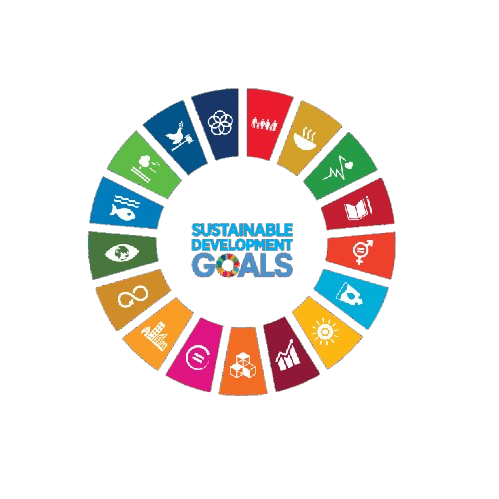
Aligned with
UN Sustainable Development Goals
This conference contributes to global sustainability by aligning its research discussions and academic sessions with key United Nations Sustainable Development Goals. It fosters knowledge exchange, innovation, and collaborative engagement.

SDG 3
Good Health and Well-being

SDG 4
Quality Education

SDG 7
Affordable and Clean Energy

SDG 8
Decent Work and Economic Growth

SDG 9
Industry, Innovation and Infrastructure
Track 01
Foundations of Inquiry-Based Learning
This track explores the theoretical underpinnings of inquiry-based learning, focusing on its historical development and key principles. Participants will examine how these foundations inform contemporary educational practices in various disciplines.
Track 02
Inquiry-Based Methodologies in Science Education
This session will delve into specific inquiry-based methodologies employed in teaching physical and life sciences. Attendees will share effective strategies and frameworks that enhance student engagement and understanding through inquiry.
Track 03
Characteristics and Levels of Inquiry
This track focuses on the diverse characteristics and levels of inquiry-based learning, from structured to open inquiry. Discussions will highlight how these levels can be effectively integrated into curricula to foster deeper learning.
Track 04
Advantages of Inquiry-Based Learning
Participants in this session will analyze the various advantages of implementing inquiry-based learning in educational settings. Emphasis will be placed on student outcomes, engagement, and critical thinking skills.
Track 05
Pre-Planning and Brainstorming for Inquiry
This track will cover the essential pre-planning and brainstorming techniques that educators can use to facilitate inquiry-based learning. Effective strategies for generating questions and guiding student inquiry will be discussed.
Track 06
Questioning Techniques in Inquiry-Based Teaching
This session will explore the role of questioning in inquiry-based teaching, emphasizing how effective questioning can drive student inquiry and critical thinking. Participants will share best practices for developing and implementing questioning strategies.
Track 07
Open and True Inquiry Learning
This track will investigate the concepts of open and true inquiry learning, focusing on how these approaches differ from traditional methods. Participants will discuss the implications of these models for curriculum design and student autonomy.
Track 08
Inquisitive Learning in the Classroom
This session will highlight the importance of fostering an inquisitive learning environment in the classroom. Educators will share innovative practices that encourage curiosity and exploration among students.
Track 09
Inquiry-Based Science Education: Challenges and Solutions
This track will address common misconceptions and challenges associated with inquiry-based science education. Participants will collaborate to identify practical solutions and strategies for overcoming these obstacles.
Track 10
Neuroscience and Inquiry-Based Learning
This session will explore the intersection of neuroscience and inquiry-based learning, examining how brain research informs teaching practices. Participants will discuss the implications of cognitive science for enhancing inquiry-based approaches.
Track 11
Evaluating Inquiry-Based Learning Outcomes
This track will focus on assessment strategies for evaluating the outcomes of inquiry-based learning initiatives. Educators will share tools and methodologies for measuring student engagement, understanding, and skill development.
Quick Links
Invited Speakers
Call for Papers
Instructions for Participants
Paper Submission
Register Now
Apply for Committee
Tentative Program
Awards & Recognition
Invitation Letter
Download Brochure
Journal consideration and publication are subject to editorial review, peer review and applicable journal policies.