
Conference Session Tracks
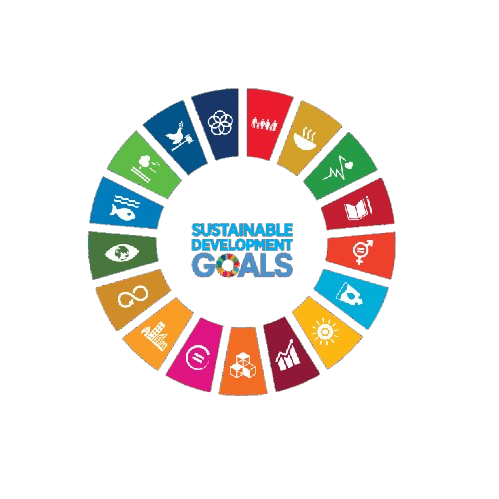
Aligned with
UN Sustainable Development Goals
This conference contributes to global sustainability by aligning its research discussions and academic sessions with key United Nations Sustainable Development Goals. It fosters knowledge exchange, innovation, and collaborative engagement.

SDG 4
Quality Education

SDG 8
Decent Work and Economic Growth

SDG 9
Industry, Innovation and Infrastructure

SDG 10
Reduced Inequalities

SDG 11
Sustainable Cities and Communities

SDG 16
Peace, Justice and Strong Institutions
Track 01
Prehistoric Foundations of European Civilization
This track explores the archaeological and anthropological aspects of Europe's prehistoric societies, focusing on the Minoans and Mycenaeans. It aims to understand how these early cultures laid the groundwork for subsequent European developments.
Track 02
Classical Antiquity: The Birth of European Identity
This session examines the cultural, political, and philosophical contributions of Ancient Greece and Rome to European identity. Discussions will highlight the enduring legacy of classical thought and governance in shaping modern Europe.
Track 03
The Rise and Fall of Empires: Rome's Legacy
Focusing on the rise of Rome and the subsequent decline of the Roman Empire, this track investigates the socio-political dynamics that influenced European history. It will also address the impact of these changes on regional identities.
Track 04
Late Antiquity and the Migration Period: Transformations in Europe
This session delves into the transformative period of Late Antiquity and the Migration Period, analyzing the shifts in population and culture. It seeks to understand how these migrations reshaped the European landscape.
Track 05
The Middle Ages: A Tapestry of Cultures
This track focuses on the diverse cultural and social developments during the Middle Ages, including Byzantium and Feudal Christendom. It aims to explore the interactions between different groups and the resulting cultural syncretism.
Track 06
Holy Wars and Their Impact on European Society
This session examines the socio-political and religious implications of the Holy Wars during the Middle Ages. It will analyze how these conflicts influenced European unity and division.
Track 07
The Renaissance: Rebirth of Ideas and Culture
Focusing on the Renaissance, this track investigates the revival of classical knowledge and its impact on European culture and society. Discussions will include the interplay between art, science, and philosophy during this transformative period.
Track 08
Exploration and Trade: Shaping Modern Europe
This session explores the age of exploration and its profound effects on European trade networks and colonial expansion. It will assess how these developments contributed to the economic and cultural exchanges that shaped modern Europe.
Track 09
The Reformation: A Turning Point in European History
This track examines the Reformation's role in reshaping religious and political landscapes across Europe. It will analyze the long-term consequences of this movement on European society and governance.
Track 10
Mercantilism and Colonial Expansion: Economic Transformations
Focusing on the rise of mercantilism, this session investigates the economic policies that fueled colonial expansion in Europe. It aims to understand the implications of these policies on global trade and European power dynamics.
Track 11
Crisis of the 17th Century: Challenges and Responses
This track explores the multifaceted crises of the 17th century, including political, economic, and social upheavals. It will discuss how these challenges prompted significant changes in European governance and society.
Quick Links
Invited Speakers
Call for Papers
Instructions for Participants
Paper Submission
Register Now
Apply for Committee
Tentative Program
Awards & Recognition
Invitation Letter
Download Brochure
Journal consideration and publication are subject to editorial review, peer review and applicable journal policies.