Conference Session Tracks
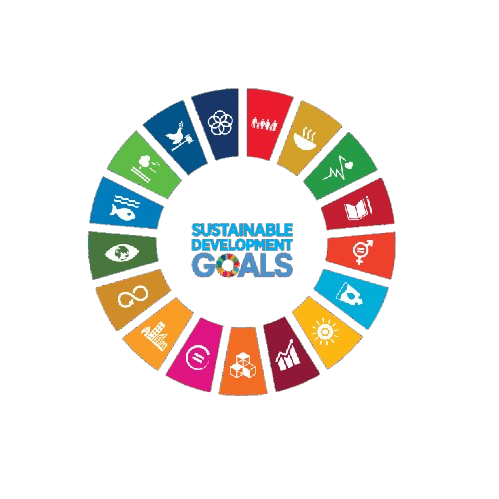
Aligned with
UN Sustainable Development Goals
This conference contributes to global sustainability by aligning its research discussions and academic sessions with key United Nations Sustainable Development Goals. It fosters knowledge exchange, innovation, and collaborative engagement.

SDG 3
Good Health and Well-being

SDG 4
Quality Education

SDG 5
Gender Equality

SDG 10
Reduced Inequalities

SDG 11
Sustainable Cities and Communities
Track 01
Historical Perspectives in Medical Sociology
This track explores the evolution of medical sociology as a discipline, examining key historical milestones and their impact on contemporary health practices. It aims to contextualize current health policies within the historical frameworks of medical sociology.
Track 02
Medical Sociology and Illness Experience
Focusing on the subjective experience of illness, this track investigates how social factors shape individuals' perceptions and responses to health conditions. It encourages discussions on the intersection of personal narratives and sociological theories in understanding illness.
Track 03
Healthcare Systems and Medical Sociology
This session addresses the role of medical sociology in analyzing healthcare systems and their effectiveness in delivering care. It emphasizes the sociological implications of healthcare access, quality, and policy formulation.
Track 04
Social Medicine and Community Health
Exploring the relationship between social structures and health outcomes, this track focuses on the role of social medicine in promoting community health. It highlights the importance of sociological insights in addressing public health challenges.
Track 05
Epidemiology and Social Determinants of Health
This track examines the interplay between epidemiological research and social determinants of health, emphasizing how sociological perspectives can enhance understanding of disease patterns. It invites contributions that integrate quantitative and qualitative methodologies.
Track 06
Medical Anthropology and Sociological Insights
Focusing on the intersection of medical anthropology and sociology, this track explores cultural understandings of health and illness. It aims to foster interdisciplinary dialogue on how cultural contexts influence health behaviors and practices.
Track 07
Public Health Policies and Sociological Perspectives
This session investigates the sociological underpinnings of public health policies and their implications for health equity. It encourages critical analysis of policy effectiveness through a sociological lens.
Track 08
Gender, Health, and Medical Sociology
This track explores the complex relationships between gender and health, focusing on how gender norms and roles influence health outcomes. It aims to highlight the importance of gender-sensitive approaches in medical sociology research.
Track 09
Addiction and Social Contexts
Investigating the sociological dimensions of addiction, this track examines how social environments and structures contribute to substance use and recovery. It encourages discussions on the implications for treatment and policy.
Track 10
Race, Ethnicity, and Health Disparities
This session focuses on the impact of race and ethnicity on health disparities, exploring how sociological factors contribute to unequal health outcomes. It aims to foster discussions on strategies for addressing these disparities through policy and practice.
Track 11
Aging, Health, and Social Support Systems
This track examines the sociological aspects of aging and health, focusing on the role of social support systems in promoting well-being among older adults. It invites contributions that explore innovative approaches to geriatric care through a sociological lens.
Quick Links
Invited Speakers
Call for Papers
Instructions for Participants
Paper Submission
Register Now
Apply for Committee
Tentative Program
Awards & Recognition
Invitation Letter
Download Brochure
Journal consideration and publication are subject to editorial review, peer review and applicable journal policies.