Conference Session Tracks
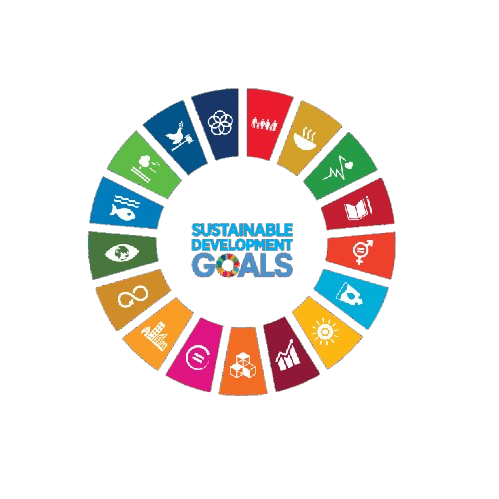
Aligned with
UN Sustainable Development Goals
This conference contributes to global sustainability by aligning its research discussions and academic sessions with key United Nations Sustainable Development Goals. It fosters knowledge exchange, innovation, and collaborative engagement.

SDG 3
Good Health and Well-being

SDG 6
Clean Water and Sanitation

SDG 7
Affordable and Clean Energy

SDG 8
Decent Work and Economic Growth

SDG 9
Industry, Innovation and Infrastructure

SDG 11
Sustainable Cities and Communities

SDG 12
Responsible Consumption and Production

SDG 13
Climate Action

SDG 14
Life Below Water

SDG 15
Life on Land

SDG 16
Peace, Justice and Strong Institutions

SDG 17
Partnerships for the Goals
Track 01
Innovative Approaches in Solid Waste Management
This track focuses on cutting-edge strategies and technologies for managing solid waste effectively. Participants will explore case studies and best practices that enhance waste reduction and resource recovery.
Track 02
Environmental Engineering Solutions for Waste Treatment
This session will delve into the latest advancements in environmental engineering aimed at optimizing waste treatment processes. Discussions will include innovative technologies and methodologies that improve efficiency and sustainability.
Track 03
Financial Models for Sustainable Waste Management
This track examines the economic aspects of waste management, including financial models that support sustainable practices. Participants will analyze the cost-effectiveness of various waste handling solutions and their impact on resource allocation.
Track 04
Recycling and Resource Recovery Practices
This session highlights effective recycling strategies and resource recovery practices that contribute to a circular economy. Attendees will share insights on overcoming challenges and maximizing the benefits of recycling initiatives.
Track 05
Waste Hierarchy and Disposal Solutions
This track explores the principles of waste hierarchy and its application in developing effective disposal solutions. Participants will discuss the implications of prioritizing waste reduction, reuse, and recycling in waste management policies.
Track 06
Wastewater Treatment Technologies and Innovations
This session focuses on the latest technologies and innovations in wastewater treatment. Experts will present advancements that enhance the efficiency and effectiveness of wastewater management systems.
Track 07
Pollution Control Technologies in Waste Management
This track addresses the role of pollution control technologies in mitigating environmental impacts from waste management practices. Participants will explore various technologies designed to minimize air, soil, and water pollution.
Track 08
Environmental Laws and Regulations in Waste Management
This session will examine the legal framework governing waste management practices. Discussions will include the implications of environmental laws on industry practices and compliance strategies.
Track 09
Site Remediation and Environmental Investigation
This track focuses on the methodologies and technologies used in site remediation and environmental investigations. Participants will share case studies that highlight successful remediation efforts and the challenges faced.
Track 10
Energy Economy and Waste Management
This session explores the intersection of energy economy and waste management practices. Discussions will include the potential of waste-to-energy technologies and their role in sustainable energy solutions.
Track 11
Air, Soil, and Water Quality Monitoring in Waste Management
This track addresses the importance of monitoring air, soil, and water quality in the context of waste management. Participants will discuss methodologies for assessing environmental impacts and ensuring compliance with quality standards.
Quick Links
Invited Speakers
Call for Papers
Instructions for Participants
Paper Submission
Register Now
Apply for Committee
Tentative Program
Awards & Recognition
Invitation Letter
Download Brochure
Journal consideration and publication are subject to editorial review, peer review and applicable journal policies.