
Conference Session Tracks
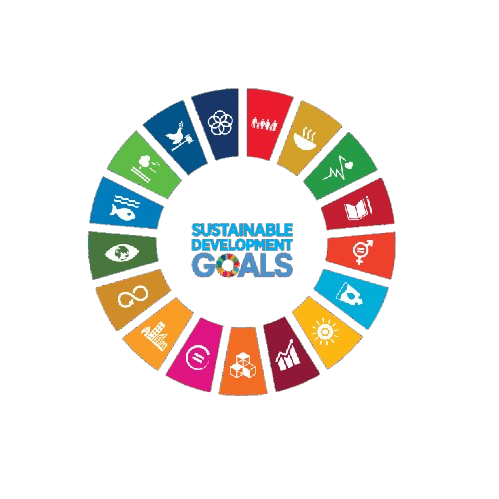
Aligned with
UN Sustainable Development Goals
This conference contributes to global sustainability by aligning its research discussions and academic sessions with key United Nations Sustainable Development Goals. It fosters knowledge exchange, innovation, and collaborative engagement.

SDG 4
Quality Education

SDG 10
Reduced Inequalities

SDG 16
Peace, Justice and Strong Institutions

SDG 17
Partnerships for the Goals
Track 01
Exploring Religious Identity in a Pluralistic Society
This track examines the complexities of religious identity within diverse cultural contexts. It aims to highlight the interplay between individual beliefs and collective identities in pluralistic environments.
Track 02
Interfaith Dialogue as a Tool for Social Inclusion
This session focuses on the role of interfaith dialogue in promoting social inclusion and understanding among different religious communities. Participants will explore case studies that demonstrate successful interfaith initiatives.
Track 03
Theological Perspectives on Pluralism
This track invites discussions on various theological frameworks that address the challenges and opportunities presented by religious pluralism. Scholars will analyze how different faith traditions interpret pluralism and coexistence.
Track 04
Cultural Studies and Religious Identity
This session investigates the intersection of cultural studies and religious identity, emphasizing how cultural narratives shape and are shaped by religious beliefs. Contributions will explore the impact of cultural contexts on religious expression.
Track 05
Diversity and Human Rights in Religious Contexts
This track addresses the relationship between religious diversity and human rights, focusing on the protection of minority religious groups. Discussions will include legal frameworks and ethical considerations in promoting religious freedom.
Track 06
Comparative Religion: Insights into Identity Formation
This session offers a comparative analysis of how different religions contribute to identity formation in various societies. Participants will explore similarities and differences in religious practices and beliefs across cultures.
Track 07
Peacebuilding through Religious Engagement
This track examines the role of religious communities in peacebuilding efforts, highlighting successful initiatives that foster dialogue and reconciliation. Scholars will present frameworks for understanding the impact of faith on conflict resolution.
Track 08
Ethics and Religious Identity in Global Contexts
This session explores the ethical implications of religious identity in a globalized world. Discussions will focus on how ethical frameworks are influenced by religious beliefs and the challenges of navigating moral dilemmas across cultures.
Track 09
Community Engagement and Religious Pluralism
This track highlights the importance of community engagement in fostering religious pluralism and understanding. Participants will share best practices and innovative approaches to building inclusive communities.
Track 10
Conflict Resolution Strategies in Religious Contexts
This session focuses on conflict resolution strategies that involve religious leaders and communities. It aims to identify effective methods for addressing tensions arising from religious differences.
Track 11
Global Studies and the Dynamics of Religious Identity
This track investigates the global dynamics of religious identity in an interconnected world. Scholars will analyze how globalization affects religious beliefs and practices, shaping identities across borders.
Quick Links
Invited Speakers
Call for Papers
Instructions for Participants
Paper Submission
Register Now
Apply for Committee
Tentative Program
Awards & Recognition
Invitation Letter
Download Brochure
Journal consideration and publication are subject to editorial review, peer review and applicable journal policies.