
Conference Session Tracks
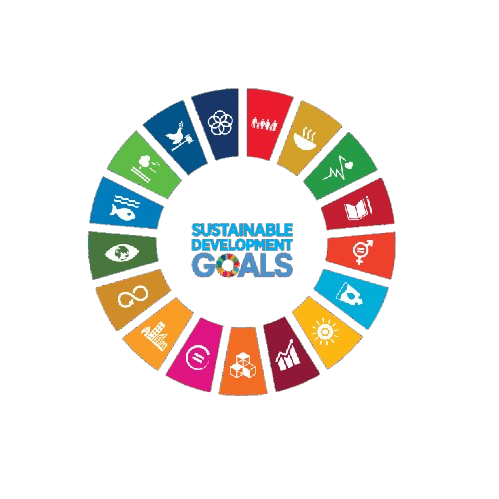
Aligned with
UN Sustainable Development Goals
This conference contributes to global sustainability by aligning its research discussions and academic sessions with key United Nations Sustainable Development Goals. It fosters knowledge exchange, innovation, and collaborative engagement.

SDG 6
Clean Water and Sanitation

SDG 7
Affordable and Clean Energy

SDG 8
Decent Work and Economic Growth

SDG 9
Industry, Innovation and Infrastructure

SDG 11
Sustainable Cities and Communities

SDG 12
Responsible Consumption and Production

SDG 13
Climate Action

SDG 15
Life on Land

SDG 16
Peace, Justice and Strong Institutions

SDG 17
Partnerships for the Goals
Track 01
Mathematical Models in Hydrocarbon Recovery
This track focuses on the development and application of mathematical models to enhance hydrocarbon recovery mechanisms. It aims to explore innovative approaches that improve efficiency and sustainability in oil and gas extraction.
Track 02
Statistical Analysis of Energy Market Trends
This session will delve into statistical methodologies used to analyze trends in the energy market, including oil and gas pricing mechanisms. Participants will discuss the implications of these trends on investment and policy decisions.
Track 03
Environmental Impact Assessments in Energy Production
This track addresses the mathematical and statistical tools used in conducting environmental impact assessments for energy projects. It will highlight best practices for mitigating adverse effects on ecosystems and communities.
Track 04
Geomechanics and Rock Physics in Energy Exploration
This session will explore the application of geomechanics and rock physics in the context of oil and gas exploration. Participants will discuss the mathematical frameworks that underpin these disciplines and their relevance to resource extraction.
Track 05
Renewable Energy Integration and Optimization
This track focuses on the mathematical strategies for integrating renewable energy sources into existing energy infrastructures. It will cover optimization techniques that enhance the reliability and efficiency of energy systems.
Track 06
Clean Energy Options: Mathematical Perspectives
This session will examine various clean energy options through a mathematical lens, focusing on their feasibility and potential impact on the energy landscape. Discussions will include modeling approaches for assessing the viability of these alternatives.
Track 07
Regulatory Challenges in Oil and Gas Investments
This track will analyze the legal and regulatory frameworks that influence foreign investment in the oil and gas sector. Participants will discuss how mathematical modeling can assist in navigating these challenges.
Track 08
Innovations in Fossil Fuel Technologies
This session will highlight recent advancements in fossil fuel technologies, emphasizing the role of mathematics in driving innovation. Participants will explore the implications of these technologies for sustainability and efficiency.
Track 09
Energy Demand and Supply Forecasting
This track focuses on the mathematical techniques used for forecasting energy demand and supply dynamics. It aims to provide insights into the factors influencing energy markets and strategies for effective resource management.
Track 10
Hydrates and Their Role in Energy Resources
This session will explore the mathematical modeling of hydrates and their potential as an energy resource. Discussions will include the challenges and opportunities associated with their extraction and utilization.
Track 11
Cross-Border Energy Collaboration: Opportunities and Risks
This track will examine the mathematical frameworks that can facilitate cross-border energy collaboration. Participants will discuss the opportunities and risks associated with international energy projects and partnerships.
Quick Links
Invited Speakers
Call for Papers
Instructions for Participants
Paper Submission
Register Now
Apply for Committee
Tentative Program
Awards & Recognition
Invitation Letter
Download Brochure
Journal consideration and publication are subject to editorial review, peer review and applicable journal policies.