Conference Session Tracks
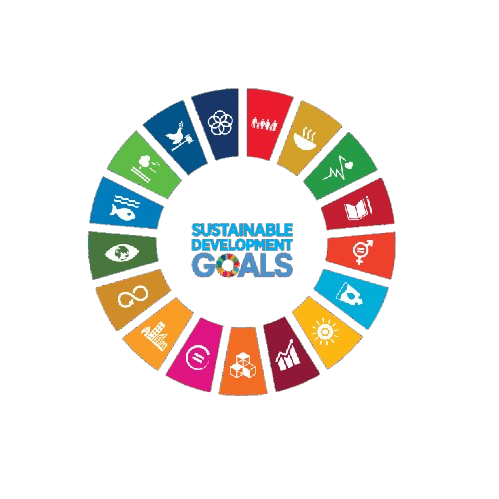
Aligned with
UN Sustainable Development Goals
This conference contributes to global sustainability by aligning its research discussions and academic sessions with key United Nations Sustainable Development Goals. It fosters knowledge exchange, innovation, and collaborative engagement.

SDG 4
Quality Education

SDG 8
Decent Work and Economic Growth

SDG 9
Industry, Innovation and Infrastructure

SDG 10
Reduced Inequalities

SDG 16
Peace, Justice and Strong Institutions
Track 01
Interdisciplinary Approaches to Language Studies
This track explores innovative methodologies that bridge various disciplines within language studies. Participants are encouraged to present research that integrates insights from linguistics, sociology, psychology, and cultural studies.
Track 02
Applied Linguistics in Diverse Contexts
Focusing on practical applications of linguistic theories, this track invites papers that examine language use in real-world settings. Topics may include language teaching, policy implementation, and community engagement.
Track 03
Discourse Analysis Across Cultures
This session aims to investigate how discourse shapes and reflects cultural identities. Contributions that analyze classroom discourse, media texts, and everyday conversations are particularly welcome.
Track 04
Corpus Linguistics: Tools and Techniques
This track emphasizes the role of corpus linguistics in understanding language patterns and usage. Presentations may cover corpus design, analysis methods, and applications in various linguistic fields.
Track 05
Critical Discourse Analysis and Social Justice
Exploring the intersection of language and power, this track invites discussions on how discourse influences social structures and ideologies. Papers should focus on critical perspectives that advocate for equity and justice.
Track 06
Language Change and Sociolinguistic Dynamics
This session examines the factors driving language evolution within social contexts. Research on language policy, language contact, and sociolinguistic variation is encouraged.
Track 07
Multimodality in Communication
This track investigates the interplay of language with other semiotic modes, such as visuals and gestures. Contributions should explore how multimodal approaches enhance understanding in various communicative contexts.
Track 08
Phonetics and Phonology: Theory and Practice
Focusing on the theoretical underpinnings and practical applications of phonetics and phonology, this track invites research on sound systems across languages. Studies on pronunciation teaching and phonetic variation are particularly relevant.
Track 09
Language and Identity in Society
This session explores how language constructs and conveys identity within social frameworks. Papers may address issues of linguistic imperialism, bilingualism, and the role of language in shaping cultural narratives.
Track 10
Second Language Acquisition: Theoretical Perspectives
This track focuses on contemporary theories and models of second language acquisition. Contributions should provide insights into cognitive, social, and contextual factors influencing language learning.
Track 11
Philosophy of Language: Concepts and Controversies
This session invites philosophical inquiries into the nature of language, meaning, and communication. Discussions may include the implications of linguistic theories for understanding human thought and social interaction.
Quick Links
Invited Speakers
Call for Papers
Instructions for Participants
Paper Submission
Register Now
Apply for Committee
Tentative Program
Awards & Recognition
Invitation Letter
Download Brochure
Journal consideration and publication are subject to editorial review, peer review and applicable journal policies.