Conference Session Tracks
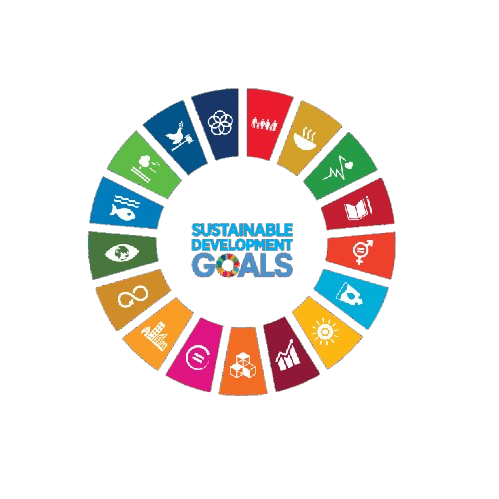
Aligned with
UN Sustainable Development Goals
This conference contributes to global sustainability by aligning its research discussions and academic sessions with key United Nations Sustainable Development Goals. It fosters knowledge exchange, innovation, and collaborative engagement.

SDG 4
Quality Education

SDG 5
Gender Equality

SDG 8
Decent Work and Economic Growth

SDG 9
Industry, Innovation and Infrastructure

SDG 10
Reduced Inequalities

SDG 11
Sustainable Cities and Communities

SDG 16
Peace, Justice and Strong Institutions
Track 01
Theoretical Foundations of Translation Studies
This track explores the foundational theories that underpin translation studies, including equivalence and Skopos theory. Participants will engage with critical discussions on how these theories shape contemporary translation practices.
Track 02
Cultural Dynamics in Translation
Focusing on cultural translation, this session examines the interplay between language and culture in the translation process. It aims to uncover how cultural contexts influence the interpretation and reception of translated texts.
Track 03
Ethics in Literary Translation
This track delves into the ethical considerations inherent in translating literature, addressing issues such as fidelity, representation, and the translator's role. Participants will analyze case studies that highlight ethical dilemmas faced by translators.
Track 04
Translation in the Age of Globalization
This session investigates the impact of globalization on translation practices, including localization and glocalization strategies. It aims to discuss how global trends shape the translation of literature across diverse cultures.
Track 05
Historical Perspectives on Translation
Participants will explore the history of translation practices and their evolution over time, focusing on significant shifts in translation methodologies. This track aims to contextualize contemporary translation within historical frameworks.
Track 06
Sociological Approaches to Translation
This track examines the sociologies of translation, emphasizing the role of social factors in the translation process. Discussions will include the influence of institutions, mediators, and translator identities on translation outcomes.
Track 07
Gender and Translation Studies
Focusing on gender studies, this session explores how gender influences translation practices and the representation of gender in translated texts. Participants will analyze the implications of gendered perspectives in translation.
Track 08
Audiovisual Translation: Challenges and Innovations
This track addresses the unique challenges of audiovisual translation, including subtitling and dubbing. Participants will discuss innovative practices and technologies that enhance the accessibility of translated audiovisual content.
Track 09
Cognitive Approaches to Translation
Exploring cognition and process studies, this session investigates how cognitive processes affect translation decisions and outcomes. Participants will engage with research on translator cognition and its implications for training.
Track 10
Intermedial Translation: Bridging Disciplines
This track focuses on intermedial translation, examining how translation operates across different media and artistic forms. Discussions will highlight the creative possibilities and challenges of translating between disciplines.
Track 11
Innovations in Translator Education
This session explores contemporary approaches to translator education, emphasizing the integration of technology and new methodologies. Participants will share best practices for preparing future translators for the evolving landscape of translation.
Quick Links
Invited Speakers
Call for Papers
Instructions for Participants
Paper Submission
Register Now
Apply for Committee
Tentative Program
Awards & Recognition
Invitation Letter
Download Brochure
Journal consideration and publication are subject to editorial review, peer review and applicable journal policies.