Conference Session Tracks
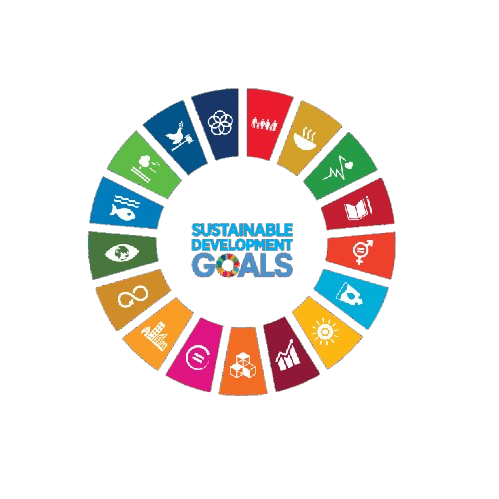
Aligned with
UN Sustainable Development Goals
This conference contributes to global sustainability by aligning its research discussions and academic sessions with key United Nations Sustainable Development Goals. It fosters knowledge exchange, innovation, and collaborative engagement.

SDG 6
Clean Water and Sanitation

SDG 7
Affordable and Clean Energy

SDG 9
Industry, Innovation and Infrastructure

SDG 11
Sustainable Cities and Communities

SDG 12
Responsible Consumption and Production

SDG 13
Climate Action

SDG 15
Life on Land
Track 01
Innovations in Hydropower Engineering
This track focuses on the latest advancements in hydropower technologies, including turbine design and efficiency improvements. Participants will explore case studies and research that highlight innovative solutions for maximizing energy generation from water resources.
Track 02
Sustainable Water Resources Management
This session addresses strategies for the sustainable management of water resources in the context of renewable energy. Discussions will include integrated approaches that balance ecological health with energy production demands.
Track 03
Energy Optimization Techniques in Water Systems
This track examines methodologies for optimizing energy use in water engineering systems. Topics will cover energy audits, efficiency measures, and the implementation of smart technologies in water management.
Track 04
Advancements in Energy Storage Solutions
This session highlights cutting-edge research in energy storage technologies relevant to renewable energy systems. Participants will discuss the role of energy storage in enhancing the reliability and efficiency of water-based energy solutions.
Track 05
Energy Conversion Technologies for Water Applications
This track explores innovative energy conversion technologies that can be applied within water engineering. Topics will include thermodynamic cycles, electrochemical processes, and novel materials for energy conversion.
Track 06
Smart Grids and Water Energy Integration
This session focuses on the integration of smart grid technologies with water energy systems. Discussions will revolve around the benefits of real-time data and control systems in optimizing energy distribution and consumption.
Track 07
Computational Modeling in Water Engineering
This track emphasizes the role of computational modeling in enhancing the understanding of water systems and energy interactions. Participants will present models that predict system performance and inform decision-making processes.
Track 08
Assessing Environmental Impact of Water Energy Solutions
This session investigates the environmental implications of various water energy technologies. Participants will discuss methodologies for assessing ecological impacts and strategies for minimizing adverse effects.
Track 09
Mechanical Systems in Renewable Energy Applications
This track covers the design and optimization of mechanical systems used in renewable energy applications related to water engineering. Topics include mechanical reliability, performance analysis, and innovative design solutions.
Track 10
Predictive Modeling for Energy Forecasting
This session focuses on the development and application of predictive modeling techniques for energy forecasting in water systems. Participants will share insights on data-driven approaches that enhance forecasting accuracy and reliability.
Track 11
Energy Efficiency Strategies in Water Treatment
This track addresses the critical role of energy efficiency in water treatment processes. Discussions will include innovative technologies and practices that reduce energy consumption while maintaining treatment effectiveness.
Quick Links
Invited Speakers
Call for Papers
Instructions for Participants
Paper Submission
Register Now
Apply for Committee
Tentative Program
Awards & Recognition
Invitation Letter
Download Brochure

Journal consideration and publication are subject to editorial review, peer review and applicable journal policies.