
Conference Session Tracks
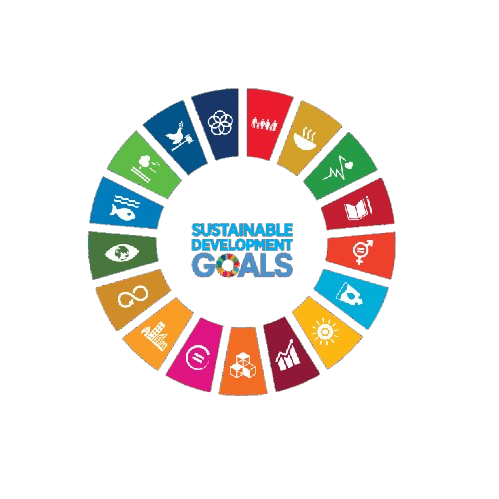
Aligned with
UN Sustainable Development Goals
This conference contributes to global sustainability by aligning its research discussions and academic sessions with key United Nations Sustainable Development Goals. It fosters knowledge exchange, innovation, and collaborative engagement.

SDG 2
Zero Hunger

SDG 3
Good Health and Well-being

SDG 4
Quality Education

SDG 6
Clean Water and Sanitation

SDG 9
Industry, Innovation and Infrastructure

SDG 12
Responsible Consumption and Production

SDG 13
Climate Action

SDG 15
Life on Land

SDG 16
Peace, Justice and Strong Institutions

SDG 17
Partnerships for the Goals
Track 01
Advancements in Agricultural Biotechnology
This track focuses on the latest developments in agricultural biotechnology, particularly in developing countries. It will explore regulatory frameworks, public perceptions, and innovative applications that enhance crop yield and resilience.
Track 02
Artificial Intelligence in Food Engineering
This session will examine the integration of artificial intelligence in food engineering research and industry practices. Topics will include predictive modeling, quality control, and process optimization.
Track 03
Biocatalysis and Nanobiotechnology
This track highlights the role of biocatalysis, organocatalysis, and nanobiotechnology in sustainable food production and processing. Participants will discuss innovative techniques that enhance efficiency and reduce environmental impact.
Track 04
Food Safety and Molecular Diagnostics
This session addresses the critical aspects of food safety through the lens of biosensors and molecular diagnostics. It will cover emerging technologies that ensure food quality and consumer protection.
Track 05
Environmental Biotechnology and Ecosystem Health
This track explores the intersection of environmental biotechnology and ecosystem health, focusing on bioremediation and sustainable practices. Discussions will include the impact of biotechnology on air, water, and soil quality.
Track 06
Crop Genetics and Genomics
This session will delve into the advancements in crop breeding, genetics, and genomics aimed at improving agricultural productivity. Participants will share insights on genetic modification and traditional breeding techniques.
Track 07
Food Waste Management Strategies
This track focuses on innovative strategies for reducing food waste across the supply chain. Topics will include waste recovery, recycling, and the role of consumer behavior in minimizing waste.
Track 08
Biomedical Applications of Agricultural Products
This session will explore the potential of agricultural products in biomedical applications, including drug discovery and development. It will highlight the synergy between agriculture and health sciences.
Track 09
Environmental Impact Assessment in Agriculture
This track addresses the methodologies and practices of environmental impact assessments in agricultural projects. Discussions will focus on sustainable development and regulatory compliance.
Track 10
Education and Policy in Environmental Management
This session will examine the role of education and policy in promoting sustainable environmental practices. It will highlight successful case studies and frameworks for effective environmental governance.
Track 11
Cognitive Neuroscience in Agriculture and Food Systems
This track investigates the cognitive neuroscience aspects related to consumer behavior in agriculture and food systems. It will explore how cognitive processes influence food choices and agricultural practices.
Quick Links
Invited Speakers
Call for Papers
Instructions for Participants
Paper Submission
Register Now
Apply for Committee
Tentative Program
Awards & Recognition
Invitation Letter
Download Brochure
Journal consideration and publication are subject to editorial review, peer review and applicable journal policies.