
Conference Session Tracks
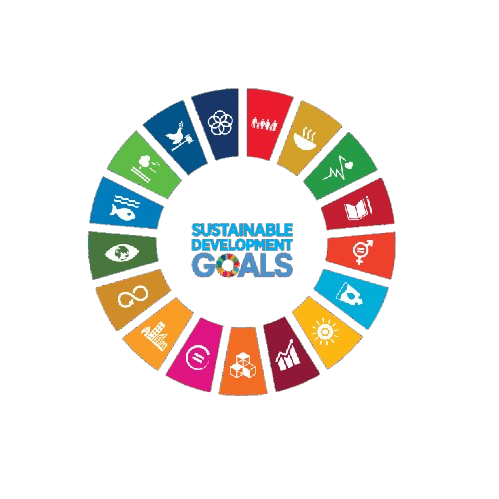
Aligned with
UN Sustainable Development Goals
This conference contributes to global sustainability by aligning its research discussions and academic sessions with key United Nations Sustainable Development Goals. It fosters knowledge exchange, innovation, and collaborative engagement.

SDG 2
Zero Hunger

SDG 3
Good Health and Well-being

SDG 4
Quality Education

SDG 5
Gender Equality

SDG 6
Clean Water and Sanitation

SDG 9
Industry, Innovation and Infrastructure

SDG 10
Reduced Inequalities
Track 01
Nutritional Interventions in Pediatric Health
This track focuses on the impact of nutrient deficiencies and dietary strategies on pediatric obesity and overall health. Researchers will explore the role of nutrition in managing chronic conditions and promoting healthy growth in children.
Track 02
Psychological Aspects of Pediatric Diabetes
This session addresses the psychological challenges faced by children with diabetes, including behavioral studies and coping mechanisms. It aims to highlight the importance of mental health support in diabetes management.
Track 03
Innovations in Neonatal Care
This track will cover advancements in non-invasive techniques and neonatal resuscitation practices. Discussions will include the role of progenitor cells in neonatal physiology and their implications for conditions like necrotizing enterocolitis.
Track 04
Management of Pediatric Genodermatosis
This session focuses on the diagnosis and treatment of various genodermatoses, including acne, warts, and vitiligo. Emphasis will be placed on emerging therapies and the immunological aspects of pediatric skin diseases.
Track 05
Infectious Skin Diseases in Children
This track examines bacterial, fungal, and viral skin infections in the pediatric population. It will address microbial resistance and innovative treatment approaches for common pediatric dermatological conditions.
Track 06
Endocrine Disorders in Pediatrics
This session will explore thyroid disease, disorders of sexual differentiation, and the implications of insulin resistance and Type 2 diabetes in children. The focus will be on diagnosis, management, and long-term outcomes.
Track 07
Challenges in Type 1 Diabetes Management
This track will discuss the complexities of managing Type 1 diabetes in pediatric patients. Topics will include technological advancements, treatment adherence, and strategies to improve glycemic control.
Track 08
Neonatal Diabetes and Hyperinsulinism
This session will delve into the causes, diagnosis, and management of neonatal diabetes and hyperinsulinism. Experts will share insights on recent research and clinical practices in this specialized area.
Track 09
Pediatric Behavioral Studies and Pain Management
This track focuses on understanding child psychology and its implications for pain relief therapies in pediatric patients. It aims to highlight effective management strategies for pain in children.
Track 10
Growth Disorders in Children
This session will address various growth disorders, their etiology, and management strategies in pediatric patients. Discussions will include the role of hormones and nutrition in growth and development.
Track 11
Advancements in Pediatric Diabetes Technology
This track will explore the use of technology in diabetes management, including continuous glucose monitoring and insulin delivery systems. The session aims to highlight innovations that improve patient outcomes and quality of life.
Quick Links
Invited Speakers
Call for Papers
Instructions for Participants
Paper Submission
Register Now
Apply for Committee
Tentative Program
Awards & Recognition
Invitation Letter
Download Brochure

Journal consideration and publication are subject to editorial review, peer review and applicable journal policies.