
Conference Session Tracks
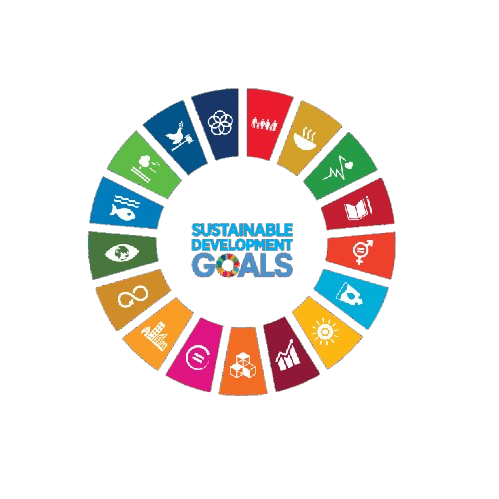
Aligned with
UN Sustainable Development Goals
This conference contributes to global sustainability by aligning its research discussions and academic sessions with key United Nations Sustainable Development Goals. It fosters knowledge exchange, innovation, and collaborative engagement.

SDG 3
Good Health and Well-being

SDG 4
Quality Education

SDG 9
Industry, Innovation and Infrastructure

SDG 10
Reduced Inequalities

SDG 12
Responsible Consumption and Production

SDG 13
Climate Action

SDG 15
Life on Land

SDG 16
Peace, Justice and Strong Institutions

SDG 17
Partnerships for the Goals
Track 01
Innovative Biomedical Waste Management Systems
This track focuses on the development and implementation of advanced biomedical waste management systems. Participants will explore innovative technologies and methodologies that enhance waste segregation, collection, and disposal processes.
Track 02
Human Toxicity and Hazardous Substances in Biomedical Waste
This session addresses the human health risks associated with hazardous substances found in biomedical waste. Discussions will center on the identification, assessment, and mitigation of toxic exposures in healthcare settings.
Track 03
Environmental Impacts of Biomedical Waste Disposal
This track examines the environmental consequences of various biomedical waste disposal methods. Researchers will present findings on how improper disposal practices affect ecosystems and public health.
Track 04
Biomedical Waste Management in Developing Countries
This session highlights the unique challenges and solutions for biomedical waste management in developing regions. Case studies will illustrate successful strategies and policies that have been implemented to improve waste handling.
Track 05
Recycling Technologies for Biomedical Waste
This track explores cutting-edge recycling technologies that can be applied to biomedical waste. Participants will discuss the feasibility, effectiveness, and environmental benefits of recycling various types of biomedical waste.
Track 06
Strategies for Biomedical Waste Disposal
This session focuses on effective disposal strategies for biomedical waste, including incineration, autoclaving, and chemical treatment. Experts will share best practices and regulatory considerations for safe disposal.
Track 07
Policies and Procedures in Biomedical Waste Management
This track delves into the formulation and implementation of policies governing biomedical waste management. Participants will discuss the importance of regulatory frameworks and compliance in ensuring safe waste practices.
Track 08
Sustainable Approaches to Biomedical Waste Management
This session emphasizes sustainable practices in the management of biomedical waste. Discussions will focus on integrating sustainability into waste management strategies to minimize environmental impact.
Track 09
Inventory Management of Biomedical Waste
This track addresses the challenges of inventory management in biomedical waste handling. Participants will explore techniques for tracking waste generation, storage, and disposal to enhance operational efficiency.
Track 10
Recovery and Reuse of Biomedical Waste
This session investigates the potential for recovery and reuse of materials from biomedical waste. Experts will discuss innovative methods that can transform waste into valuable resources.
Track 11
Specialized Waste Types: Human, Animal, and Chemical
This track focuses on the management of specialized waste types, including human anatomical waste, animal waste, and chemical waste. Participants will explore specific handling, treatment, and disposal protocols for these categories.
Quick Links
Invited Speakers
Call for Papers
Instructions for Participants
Paper Submission
Register Now
Apply for Committee
Tentative Program
Awards & Recognition
Invitation Letter
Download Brochure
Journal consideration and publication are subject to editorial review, peer review and applicable journal policies.