
Conference Session Tracks
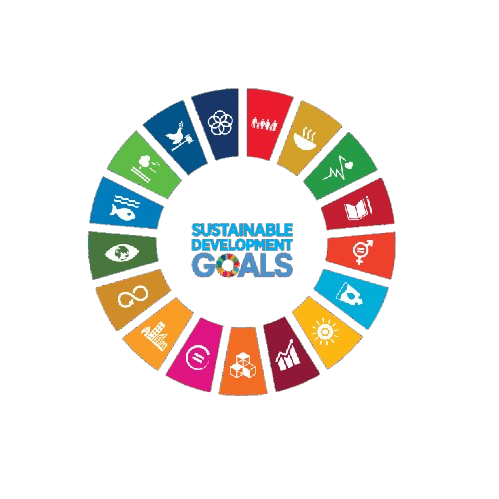
Aligned with
UN Sustainable Development Goals
This conference contributes to global sustainability by aligning its research discussions and academic sessions with key United Nations Sustainable Development Goals. It fosters knowledge exchange, innovation, and collaborative engagement.

SDG 4
Quality Education

SDG 8
Decent Work and Economic Growth

SDG 9
Industry, Innovation and Infrastructure

SDG 11
Sustainable Cities and Communities

SDG 12
Responsible Consumption and Production
Track 01
Advancements in Software Engineering Methodologies
This track focuses on the latest methodologies in software engineering, emphasizing innovative approaches to software development. Participants will explore how these methodologies can enhance productivity and quality in software projects.
Track 02
Software Evolution and Maintenance Strategies
This session addresses the principles and practices of software evolution, including the laws governing E-type software. Discussions will center on effective maintenance strategies that ensure software longevity and adaptability.
Track 03
Programming Paradigms and Their Impact on Software Design
This track examines various programming paradigms and their influence on software design practices. Attendees will analyze how different paradigms can lead to improved design efficiency and code quality.
Track 04
Software Development Life Cycle: Best Practices and Innovations
Focusing on the software development life cycle, this session will cover best practices and recent innovations that streamline the development process. Participants will gain insights into optimizing each phase for better outcomes.
Track 05
Effective Software Project Management Techniques
This track delves into project management techniques specifically tailored for software projects. It will highlight strategies for resource allocation, scheduling, and risk management to ensure project success.
Track 06
Software Requirements Engineering: Challenges and Solutions
Participants in this session will explore the complexities of software requirements engineering, including common challenges faced during the requirements gathering phase. Solutions and tools that facilitate effective requirements management will also be discussed.
Track 07
Software Design Strategies: From Theory to Practice
This track will investigate various software design strategies, bridging the gap between theoretical concepts and practical application. Attendees will learn about the tools and techniques that can enhance their design processes.
Track 08
Task and Domain Analysis in Software Development
This session focuses on the importance of task and domain analysis in the software development process. Participants will discuss methodologies that improve understanding of user needs and system requirements.
Track 09
Project Scheduling and Resource Management in Software Engineering
This track addresses the critical aspects of project scheduling and resource management within software engineering. Effective strategies for optimizing resource use and meeting project timelines will be explored.
Track 10
Risk Management in Software Projects: Strategies and Tools
This session will cover risk management strategies specifically designed for software projects. Participants will learn about tools and techniques that help identify, assess, and mitigate risks throughout the project lifecycle.
Track 11
Coding, Testing, and Integration: Ensuring Software Quality
Focusing on the coding, testing, and integration phases, this track emphasizes practices that ensure high software quality. Participants will explore methodologies that enhance code reliability and facilitate seamless integration.
Quick Links
Invited Speakers
Call for Papers
Instructions for Participants
Paper Submission
Register Now
Apply for Committee
Tentative Program
Awards & Recognition
Invitation Letter
Download Brochure
Journal consideration and publication are subject to editorial review, peer review and applicable journal policies.