Conference Session Tracks
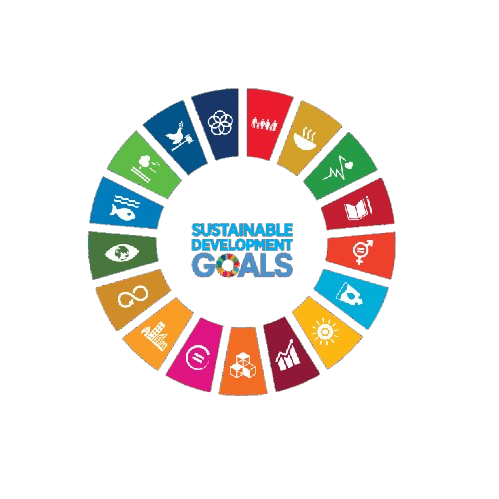
Aligned with
UN Sustainable Development Goals
This conference contributes to global sustainability by aligning its research discussions and academic sessions with key United Nations Sustainable Development Goals. It fosters knowledge exchange, innovation, and collaborative engagement.

SDG 1
No Poverty

SDG 3
Good Health and Well-being

SDG 4
Quality Education

SDG 8
Decent Work and Economic Growth

SDG 9
Industry, Innovation and Infrastructure

SDG 11
Sustainable Cities and Communities

SDG 13
Climate Action

SDG 15
Life on Land

SDG 16
Peace, Justice and Strong Institutions

SDG 17
Partnerships for the Goals
Track 01
Innovative Approaches in Disaster Management
This track explores novel methodologies and technologies in disaster management, focusing on enhancing preparedness and response strategies. Contributions may include case studies, theoretical frameworks, and practical applications that demonstrate effective disaster mitigation.
Track 02
Emergency Medicine in Crisis Situations
This session addresses the critical role of emergency medicine during disasters, emphasizing rapid response and resource allocation. Papers should highlight best practices, challenges faced, and innovations in emergency medical services in high-stress environments.
Track 03
Human and Social Dimensions of Disasters
This track examines the social implications of disasters, including community resilience and social cohesion. Research contributions should analyze how human behavior and social structures influence disaster response and recovery efforts.
Track 04
Economic Impacts of Disasters
This session focuses on the economic consequences of disasters, including loss assessment and recovery strategies. Papers should explore the interplay between economic resilience and disaster preparedness, offering insights into sustainable recovery practices.
Track 05
Environmental Considerations in Disaster Management
This track investigates the environmental impacts of disasters and the integration of ecological considerations into management practices. Contributions should address the balance between disaster response and environmental sustainability.
Track 06
Risk Management Strategies in Emergency Situations
This session delves into risk assessment and management techniques applicable to disaster scenarios. Papers should present frameworks and tools that enhance decision-making processes in high-risk environments.
Track 07
Business Continuity Planning in Emergencies
This track focuses on strategies for ensuring business continuity during and after disasters. Contributions should highlight best practices, case studies, and frameworks that organizations can adopt to maintain operations in crisis situations.
Track 08
Role of Social Media in Disaster Response
This session explores the impact of social media on disaster communication and community engagement. Papers should analyze how social media platforms can be leveraged for effective information dissemination and public awareness during emergencies.
Track 09
Community Engagement and Volunteerism in Disasters
This track emphasizes the importance of community involvement and volunteer efforts in disaster response and recovery. Contributions should examine successful models of community engagement and the role of volunteers in enhancing resilience.
Track 10
Crisis Management Policies and Governance
This session investigates the policies and governance structures that shape disaster management practices. Papers should critically assess existing frameworks and propose innovative policy solutions to improve crisis management efficacy.
Track 11
Interdisciplinary Collaboration in Disaster Response
This track highlights the significance of interdisciplinary approaches in enhancing disaster response efforts. Contributions should showcase collaborative initiatives that integrate diverse fields such as health, engineering, and social sciences in disaster management.