Conference Session Tracks
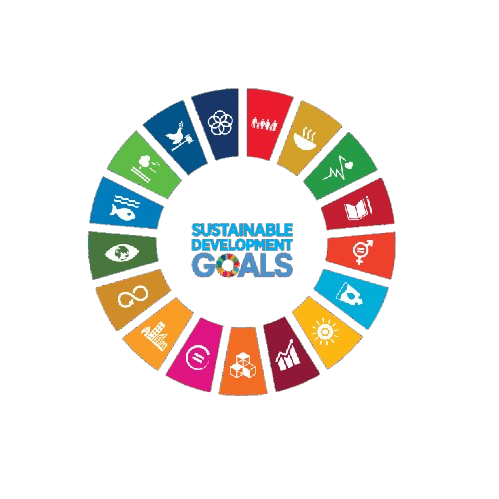
Aligned with
UN Sustainable Development Goals
This conference contributes to global sustainability by aligning its research discussions and academic sessions with key United Nations Sustainable Development Goals. It fosters knowledge exchange, innovation, and collaborative engagement.

SDG 8
Decent Work and Economic Growth

SDG 9
Industry, Innovation and Infrastructure

SDG 11
Sustainable Cities and Communities

SDG 12
Responsible Consumption and Production

SDG 13
Climate Action

SDG 15
Life on Land

SDG 16
Peace, Justice and Strong Institutions

SDG 17
Partnerships for the Goals
Track 01
Innovative Approaches to Waste Management
This track explores cutting-edge methodologies in waste management, emphasizing the role of innovation in enhancing efficiency. Participants will discuss case studies and frameworks that demonstrate successful waste reduction and resource recovery strategies.
Track 02
Circular Economy in Business Models
This session focuses on integrating circular economy principles into business models, highlighting the economic benefits of sustainable practices. Discussions will include the transformation of traditional linear models into circular frameworks that promote resource efficiency.
Track 03
Data Analytics for Sustainable Waste Solutions
This track examines the application of data analytics in optimizing waste management processes and improving recycling rates. Participants will share insights on leveraging big data to drive decision-making and enhance sustainability metrics.
Track 04
Environmental Policy Frameworks for Circular Economy
This session addresses the development and implementation of policy frameworks that support circular economy initiatives. Experts will discuss the role of government and regulatory bodies in fostering sustainable practices and innovation.
Track 05
Urban Waste Management Strategies
This track delves into innovative urban waste management strategies that align with circular economy principles. Participants will explore case studies from cities that have successfully implemented sustainable waste management practices.
Track 06
Lifecycle Assessment in Circular Economy Practices
This session focuses on the importance of lifecycle assessment in evaluating the sustainability of products and services. Discussions will center on methodologies for assessing environmental impacts and promoting circularity.
Track 07
Emerging Technologies in Waste Management
This track highlights the role of emerging technologies in revolutionizing waste management and recycling processes. Participants will explore advancements such as AI, IoT, and blockchain that facilitate resource recovery and efficiency.
Track 08
Industrial Symbiosis and Resource Recovery
This session examines the concept of industrial symbiosis as a strategy for enhancing resource recovery and minimizing waste. Participants will discuss successful collaborations between industries that lead to sustainable practices.
Track 09
Green Technologies for Sustainable Solutions
This track focuses on the development and implementation of green technologies that support circular economy objectives. Participants will share innovations that contribute to environmental sustainability and resource conservation.
Track 10
Sustainable Practices in Circular Supply Chains
This session explores sustainable practices within circular supply chains, emphasizing the importance of collaboration among stakeholders. Discussions will include strategies for reducing waste and enhancing resource efficiency throughout the supply chain.
Track 11
Climate Change Mitigation through Circular Economy
This track addresses the intersection of circular economy practices and climate change mitigation efforts. Participants will discuss how adopting circular approaches can significantly reduce greenhouse gas emissions and promote environmental resilience.