Conference Session Tracks
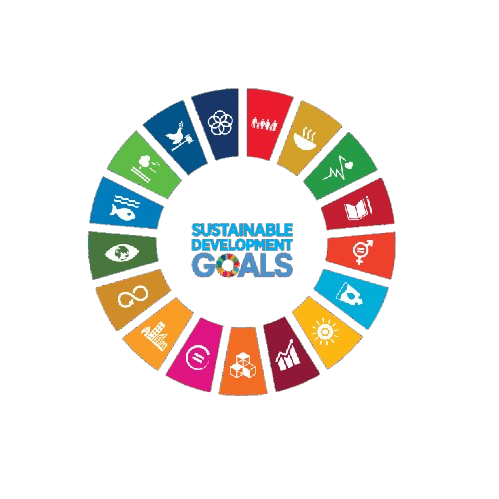
Aligned with
UN Sustainable Development Goals
This conference contributes to global sustainability by aligning its research discussions and academic sessions with key United Nations Sustainable Development Goals. It fosters knowledge exchange, innovation, and collaborative engagement.

SDG 3
Good Health and Well-being

SDG 4
Quality Education

SDG 8
Decent Work and Economic Growth

SDG 9
Industry, Innovation and Infrastructure

SDG 10
Reduced Inequalities

SDG 16
Peace, Justice and Strong Institutions

SDG 17
Partnerships for the Goals
Track 01
Advancements in Conference Interpreting Techniques
This track explores the latest methodologies and technologies in conference interpreting, including simultaneous and consecutive interpreting. Participants will discuss the implications of these advancements on interpreter training and professional practice.
Track 02
Translation Studies in Multilingual Contexts
Focusing on the challenges and strategies of translation in multilingual settings, this track invites papers that analyze real-world applications. Emphasis will be placed on the role of cultural nuances in translation accuracy.
Track 03
Ethics in Interpreting and Translation
This session will address the ethical dilemmas faced by interpreters and translators in various contexts. Discussions will include confidentiality, impartiality, and the responsibilities of professionals in multilingual environments.
Track 04
Discourse Analysis in Translation and Interpreting
This track aims to investigate the role of discourse analysis in enhancing translation and interpreting practices. Participants will examine how discourse structures influence meaning and communication across languages.
Track 05
Pedagogical Approaches to Translation Training
This session will focus on innovative teaching methodologies in translation and interpreting education. Papers will highlight effective training practices that prepare students for the complexities of professional environments.
Track 06
Intercultural Communication and Translation
This track will explore the intersection of intercultural communication and translation studies. Participants will discuss how cultural differences impact translation choices and interpreting strategies.
Track 07
Challenges in Professional Interpreting
Focusing on the real-world challenges faced by professional interpreters, this session will cover issues such as stress management and the impact of technology on interpreting practices. Contributions will provide insights into coping strategies and best practices.
Track 08
The Role of Technology in Translation and Interpreting
This track will investigate the impact of emerging technologies on translation and interpreting practices. Discussions will include machine translation, remote interpreting, and the future of human interpreters in a digital age.
Track 09
Translation Accuracy and Quality Assessment
This session will delve into methodologies for assessing translation accuracy and quality. Participants will share frameworks and criteria that can be used to evaluate the effectiveness of translations in various contexts.
Track 10
Multilingual Events: Coordination and Communication
Focusing on the logistics of multilingual events, this track will examine the coordination of interpreting services and the challenges of ensuring effective communication. Papers will highlight case studies and best practices.
Track 11
Applied Linguistics in Translation Studies
This track aims to bridge the gap between applied linguistics and translation studies. Participants will explore how linguistic theories can inform translation practices and enhance interpreter training.