Conference Session Tracks
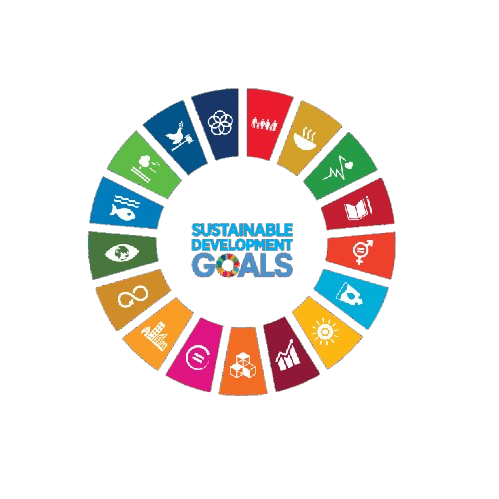
Aligned with
UN Sustainable Development Goals
This conference contributes to global sustainability by aligning its research discussions and academic sessions with key United Nations Sustainable Development Goals. It fosters knowledge exchange, innovation, and collaborative engagement.

SDG 1
No Poverty

SDG 5
Gender Equality

SDG 10
Reduced Inequalities

SDG 16
Peace, Justice and Strong Institutions
Track 01
Exploring Intersectionality in Gender Studies
This track focuses on the complexities of intersectionality within gender studies, examining how various social identities intersect to shape experiences of oppression and privilege. Scholars are invited to present research that highlights the nuanced relationships between gender, race, class, and other identity markers.
Track 02
Sexuality and Human Rights: A Global Perspective
This session aims to investigate the interplay between sexuality and human rights across different cultural contexts. Papers should address how sexual rights are framed within human rights discourses and the implications for marginalized communities.
Track 03
The Role of Feminism in Social Justice Movements
This track will explore the contributions of feminist theory and activism to broader social justice movements. Presenters are encouraged to analyze case studies that illustrate the impact of feminist perspectives on issues such as racial justice, economic equity, and environmental sustainability.
Track 04
Gendered Violence and Human Rights Violations
This session seeks to examine the intersections of gendered violence and human rights violations, focusing on both systemic and individual experiences. Contributions should highlight the legal frameworks and advocacy efforts aimed at addressing these critical issues.
Track 05
Queer Theory and Intersectionality: Challenging Norms
This track invites discussions on how queer theory intersects with intersectionality to challenge normative understandings of gender and sexuality. Papers should explore the implications of these theoretical frameworks for activism and policy.
Track 06
Global Perspectives on Gender Equality
This session will focus on the global landscape of gender equality, examining policies and practices that promote or hinder progress. Researchers are encouraged to share comparative analyses that highlight successes and challenges in various regions.
Track 07
The Politics of Representation in Gender Studies
This track addresses the politics surrounding representation in gender studies, including media portrayals, academic discourse, and public policy. Presenters should consider how representation affects societal perceptions and the lived experiences of marginalized groups.
Track 08
Transgender Rights and Intersectional Advocacy
This session will explore the intersectional challenges faced by transgender individuals in the context of human rights advocacy. Papers should focus on strategies for inclusive advocacy that addresses the unique needs of transgender communities.
Track 09
Cultural Narratives and Gender Identity
This track examines how cultural narratives shape and influence gender identity across different societies. Contributions should analyze the role of literature, art, and media in constructing and deconstructing gender norms.
Track 10
Economic Inequality and Gender Disparities
This session will investigate the relationship between economic inequality and gender disparities in various contexts. Researchers are invited to present empirical studies that highlight the economic barriers faced by women and gender minorities.
Track 11
Intersectionality and Policy Reform: Pathways to Equality
This track focuses on the role of intersectionality in shaping effective policy reforms aimed at achieving gender equality and social justice. Papers should explore case studies where intersectional approaches have led to meaningful change in policy.