Conference Session Tracks
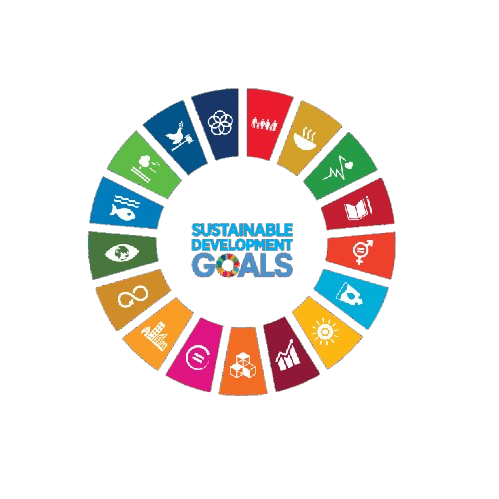
Aligned with
UN Sustainable Development Goals
This conference contributes to global sustainability by aligning its research discussions and academic sessions with key United Nations Sustainable Development Goals. It fosters knowledge exchange, innovation, and collaborative engagement.

SDG 4
Quality Education

SDG 10
Reduced Inequalities

SDG 16
Peace, Justice and Strong Institutions
Track 01
Language and Power Dynamics
This track explores the intricate relationships between language use and power structures within societies. It aims to analyze how linguistic choices can reinforce or challenge authority in various political contexts.
Track 02
Identity Construction through Discourse
Focusing on the role of language in shaping individual and collective identities, this session will investigate how discourse influences perceptions of self and group belonging. Contributions will examine the intersection of language, culture, and identity in political communication.
Track 03
Cultural Narratives in Political Rhetoric
This track invites papers that analyze the cultural narratives embedded in political discourse. It seeks to understand how these narratives shape public opinion and influence policy-making processes.
Track 04
Sociolinguistic Approaches to Policy Communication
This session will focus on the role of sociolinguistics in understanding policy communication strategies. Participants will discuss how language can facilitate or hinder effective communication of policies to diverse audiences.
Track 05
Interactional Dynamics in Political Discourse
This track examines the interactional aspects of political communication, including turn-taking, politeness strategies, and the role of non-verbal cues. It aims to uncover how these dynamics influence political engagement and public discourse.
Track 06
Language, Ideology, and Social Change
This session will explore the relationship between language, ideology, and social movements. Papers will analyze how linguistic practices can serve as catalysts for social change and political activism.
Track 07
Multilingualism and Political Identity
Focusing on multilingual contexts, this track investigates how language choice impacts political identity and representation. Contributions will highlight the challenges and opportunities presented by linguistic diversity in political communication.
Track 08
Discourse Analysis of Political Campaigns
This session will utilize discourse analysis to examine the language strategies employed in political campaigns. Participants will analyze how these strategies affect voter perceptions and electoral outcomes.
Track 09
Social Media and Language in Politics
This track explores the role of social media in shaping political discourse through language. It aims to investigate how digital platforms influence communication styles and public engagement in political discussions.
Track 10
Language Policy and Sociolinguistic Implications
This session will address the implications of language policy on sociolinguistic practices within societies. Papers will discuss how language policies affect social cohesion, identity, and political representation.
Track 11
The Role of Language in Conflict and Resolution
This track examines how language can both exacerbate and resolve conflicts in political contexts. Contributions will focus on the linguistic strategies that facilitate dialogue and understanding in polarized environments.