Conference Session Tracks
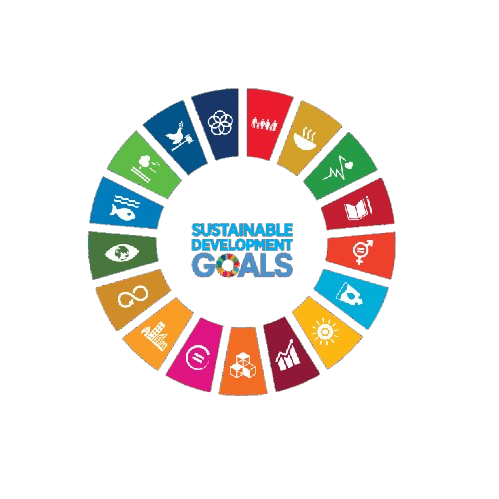
Aligned with
UN Sustainable Development Goals
This conference contributes to global sustainability by aligning its research discussions and academic sessions with key United Nations Sustainable Development Goals. It fosters knowledge exchange, innovation, and collaborative engagement.

SDG 1
No Poverty

SDG 2
Zero Hunger

SDG 10
Reduced Inequalities

SDG 11
Sustainable Cities and Communities

SDG 16
Peace, Justice and Strong Institutions

SDG 17
Partnerships for the Goals
Track 01
Geographical Perspectives on Forced Migration
This track explores the spatial dimensions of forced migration, examining how geographic factors influence the movement of displaced populations. It aims to highlight the role of geography in shaping migration patterns, settlement trends, and the experiences of refugees.
Track 02
Humanitarian Interventions in Conflict Zones
This session focuses on the effectiveness and challenges of humanitarian interventions in areas affected by conflict and forced migration. Participants will discuss case studies and best practices for delivering aid and support to vulnerable populations.
Track 03
Migration Policy and Governance
This track examines the complexities of migration policy and governance in the context of forced migration. It invites discussions on the role of national and international frameworks in shaping migration experiences and outcomes.
Track 04
Political Violence and Its Impact on Displacement
This session investigates the relationship between political violence and forced migration, analyzing how conflicts lead to displacement. Scholars will present research on the causes and consequences of such violence on affected communities.
Track 05
Post-Conflict Recovery and Resilience
This track addresses the challenges and strategies for post-conflict recovery in regions experiencing forced migration. It will focus on the role of social work and community engagement in rebuilding lives and fostering resilience.
Track 06
Human Rights and Refugee Protection
This session emphasizes the importance of human rights in the context of forced migration and refugee protection. Participants will explore legal frameworks and advocacy efforts aimed at safeguarding the rights of displaced individuals.
Track 07
Migration Governance in a Globalized World
This track investigates the implications of globalization on migration governance, particularly in relation to forced migration. Discussions will center on international cooperation, policy coherence, and the role of non-state actors.
Track 08
Conflict Resolution and Migration Dynamics
This session explores the interplay between conflict resolution efforts and migration dynamics. Scholars will analyze how peacebuilding initiatives can mitigate forced migration and promote stability.
Track 09
Ethnic Conflicts and Displacement Patterns
This track examines the role of ethnic conflicts in shaping displacement patterns and the experiences of refugees. It aims to provide insights into the socio-political factors that drive forced migration.
Track 10
Social Protection Mechanisms for Displaced Populations
This session focuses on the social protection mechanisms available to displaced populations, including access to services and support systems. Participants will discuss innovative approaches to enhance the well-being of refugees and internally displaced persons.
Track 11
Security Studies and Forced Migration
This track investigates the intersection of security studies and forced migration, analyzing how security concerns influence migration policies and practices. Discussions will include the implications of securitization for displaced individuals and communities.