Conference Session Tracks
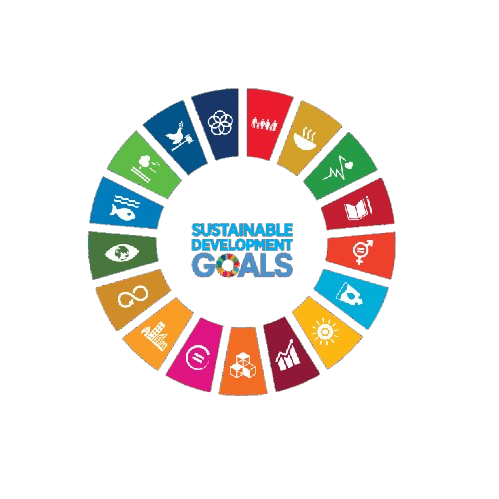
Aligned with
UN Sustainable Development Goals
This conference contributes to global sustainability by aligning its research discussions and academic sessions with key United Nations Sustainable Development Goals. It fosters knowledge exchange, innovation, and collaborative engagement.

SDG 13
Climate Action

SDG 14
Life Below Water

SDG 15
Life on Land

SDG 17
Partnerships for the Goals
Track 01
Plankton Diversity and Distribution
This track explores the diversity of planktonic organisms and their spatial distribution across various marine environments. Emphasis will be placed on the ecological roles these organisms play in marine ecosystems.
Track 02
Nutrient Cycling in Marine Ecosystems
This session focuses on the mechanisms of nutrient cycling within marine environments and the role of plankton in these processes. Discussions will include the impact of nutrient availability on primary production and ecosystem health.
Track 03
Phytoplankton Dynamics and Climate Change
This track examines the responses of phytoplankton communities to changing climate conditions. Research will highlight the implications of these changes for ocean productivity and biogeochemical cycles.
Track 04
Zooplankton Interactions and Trophic Dynamics
This session investigates the interactions between zooplankton and their prey, as well as their role in marine food webs. The focus will be on how these interactions influence energy transfer and ecosystem stability.
Track 05
Ecosystem Dynamics in Coastal Waters
This track addresses the complex dynamics of coastal marine ecosystems, with a focus on the interplay between physical and biological factors. Presentations will cover topics such as habitat structure, productivity, and species interactions.
Track 06
Biogeochemical Fluxes in Ocean Systems
This session delves into the biogeochemical processes that govern nutrient and energy fluxes in oceanic systems. The role of plankton in mediating these fluxes will be a central theme.
Track 07
Ecological Monitoring and Assessment Techniques
This track focuses on innovative methodologies for monitoring and assessing plankton communities and their ecological impacts. Emphasis will be placed on the integration of technology and traditional approaches.
Track 08
Impact of Oceanographic Processes on Productivity
This session explores how various oceanographic processes, such as currents and stratification, influence marine productivity. The relationship between physical oceanography and biological responses will be critically examined.
Track 09
Climate Impacts on Marine Food Webs
This track investigates the effects of climate change on marine food webs, particularly in relation to plankton populations. Discussions will include shifts in species composition and the implications for higher trophic levels.
Track 10
Species Interactions in Plankton Communities
This session focuses on the interactions among different plankton species, including competition, predation, and symbiosis. Understanding these interactions is crucial for predicting ecosystem responses to environmental changes.
Track 11
Primary Production and Its Ecological Significance
This track examines the processes of primary production in marine environments and its significance for overall ecosystem functioning. Research will highlight the contributions of both phytoplankton and zooplankton to biological productivity.